
No products in the basket.
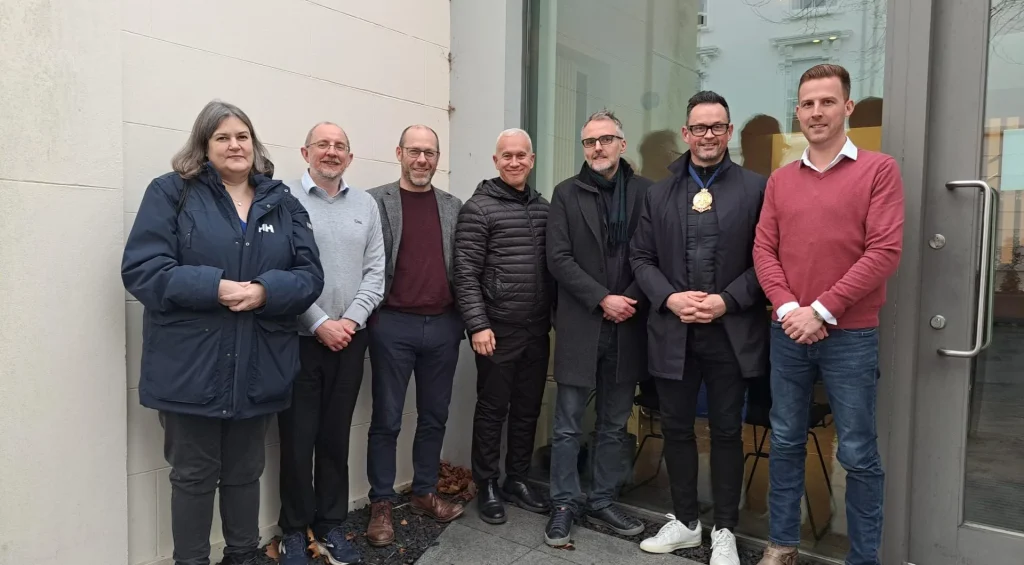
RSUA today met with Liz Loughran, Director of the Natural Environment Division at the Northern Ireland Environment Agency (NIEA). Liz was joined by Dr Mark Hammond, Head of NED’s Natural Operations Unit, and Kyle Hunter, Senior Scientific Officer.
The primary purpose of this session was to discuss the recurring challenge of seasonal species surveys being requested by planning authorities at the outset of an application, only for delays in planning processes to render them invalid by the time they eventually come to be assessed.
Introduction
The meeting began with a mutual understanding between RSUA and NIEA that both organisations share the same goal of protecting nature, and that both are seeking ways to deal with the vast majority of low-impact applications in an administratively straightforward way.
It was also agreed that engagement should be sustained, possibly on a quarterly basis.
NIEA standing advice
It was agreed that the shortage of professional ecologists in Northern Ireland was hindering the timely processing of seasonal species surveys.
Accordingly, NIEA re-emphasised to RSUA its existing standing advice and guidance, intended to help applicants prepare high-quality planning applications and at least minimise the potential for further delays:
NIEA also reported that it is preparing updated standing advice for local government on single dwellings, designed so that councils reduce the number of single dwelling consultations with NED.
This advice will be published by May 2026, alongside revised standing advice for badgers, hedgerows and bats.
Use of negative conditions
RSUA floated the use of negative conditions to enable planning decisions to be issued in advance of seasonal species surveys being undertaken, particularly where protected species have not been identified to that point.
We suggested that surveys should be carried out as late as possible to ensure they remain accurate and reflective of current site conditions, and that such an approach would be proportionate and consistent with the way other technical matters (e.g. wastewater capacity) are conditioned.
NIEA advised that negative conditions could be considered unlawful except in exceptional circumstances and do not encourage the use of negative conditions for European Protected Species, bats.
While acknowledging that councils are responsible for determining conditions, it noted they would be unlikely to proceed without complete ecological information due to the risk of judicial review.
NIEA indicated that it would reflect further on the matter.
Biodiversity Checklist: recognising professional accreditation
NIEA indicated a preference for a future arrangement in which, if a Biodiversity Checklist is completed by a professionally accredited ecologist (indicated by membership of the Chartered Institute of Ecology and Environmental Management (CIEEM)), it would not typically need to review it, with consultation required only for high-risk mitigation.
RSUA advocated that architects registered with the Architects Registration Board (ARB) should be afforded similar status to CIEEM members in this scenario, particularly given that ARB’s Standards of Conduct and Practice impose binding obligations in respect of legal compliance, environmental protection and the maintenance and demonstration of professional competence.
NIEA agreed to consider this point and included RSUA in a consultation process to formulate a draft version of a new Biodiversity Checklist (Version 3).
Further engagement
If you have any questions or comments about this meeting, please contact Curtis Large, RSUA Policy and Public Affairs Officer, at curtis@rsua.org.uk
