
No products in the basket.
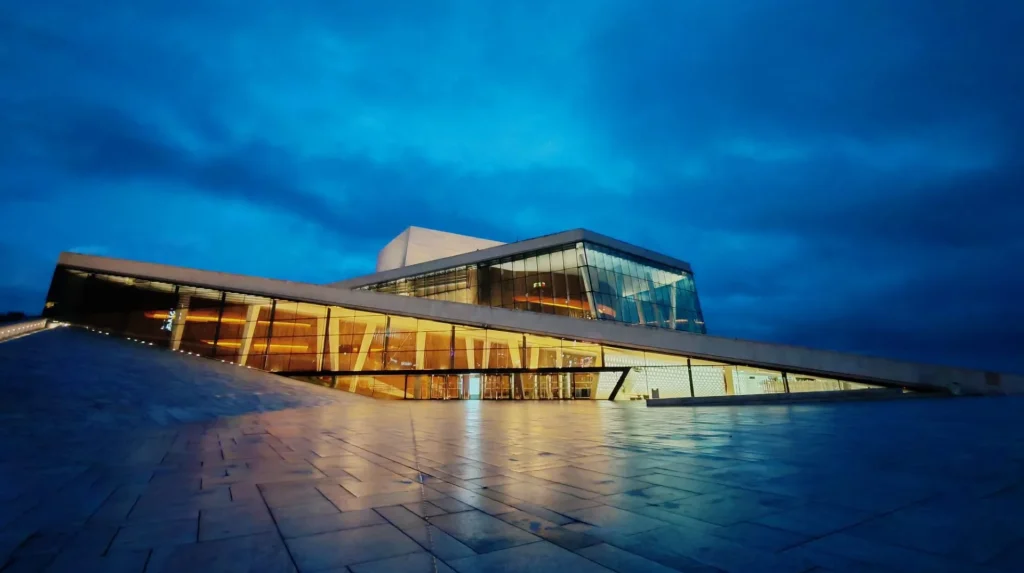
From 4-7 June 2026, the RSUA organised a study trip to Norway’s capital city, Oslo.
The aim for every RSUA Study Trip is to make it stimulating, engaging, thought provoking and friendship forming. This year’s trip was planned with a focus on the regeneration of Oslo’s waterfront area to inspire attendees on what’s possible for Belfast.
RSUA would like to thank Paul Crowe for curating the trip’s itinerary of meaningful visits, encouraging attendees to connect with the places in Oslo and the people involved in creating them.
On the first evening of the trip, the group headed to the National Museum of Architecture for a welcome drinks reception. The Museum is recently reopened, after three years of refurbishment work. The centre was originally designed by Christian Heinrich Grosch and extended by Sverre Fehn, one of Norway’s central architects. Fehn’s philosophy towards the building was focused around three key materials – stone, steel and Norwegian smoked oak.
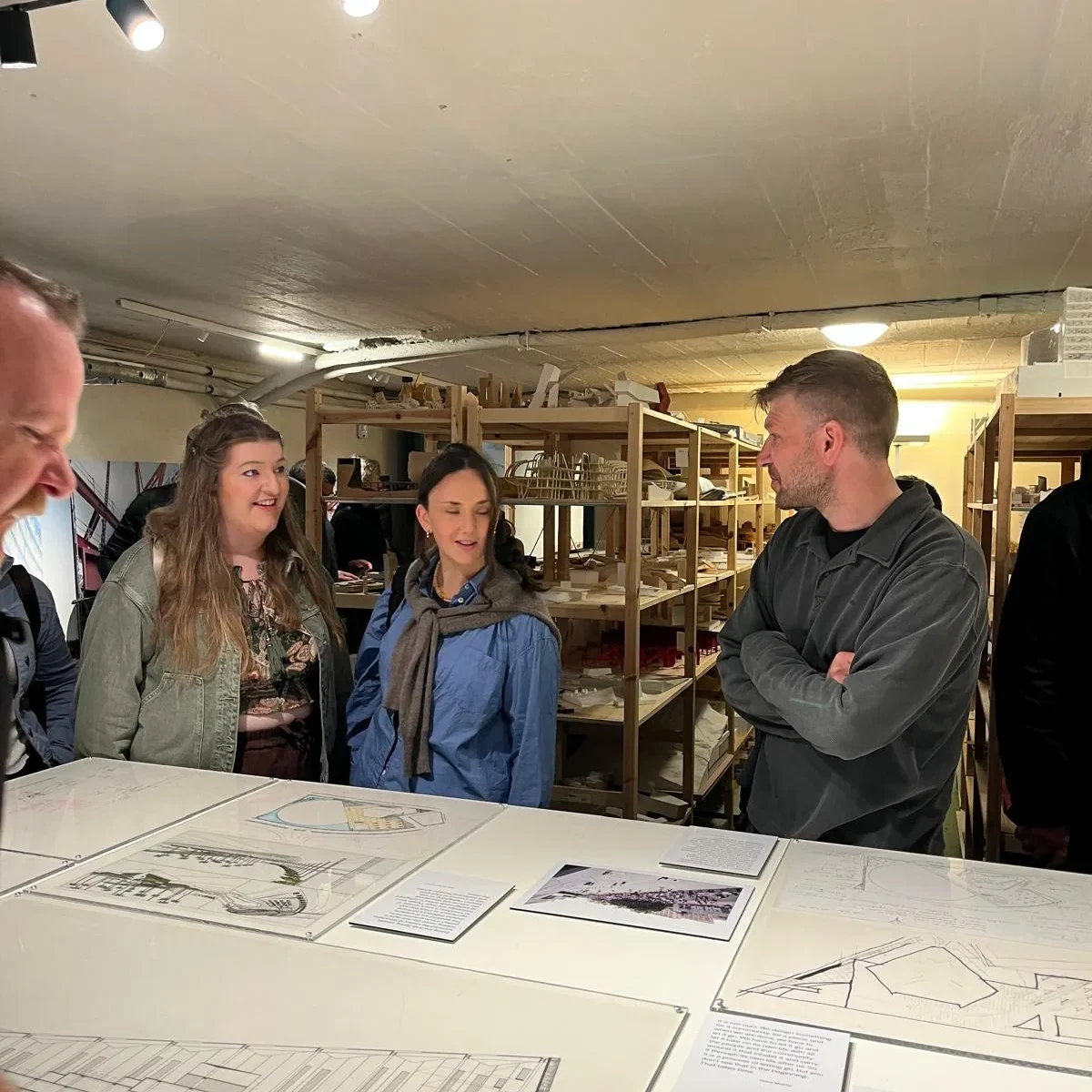
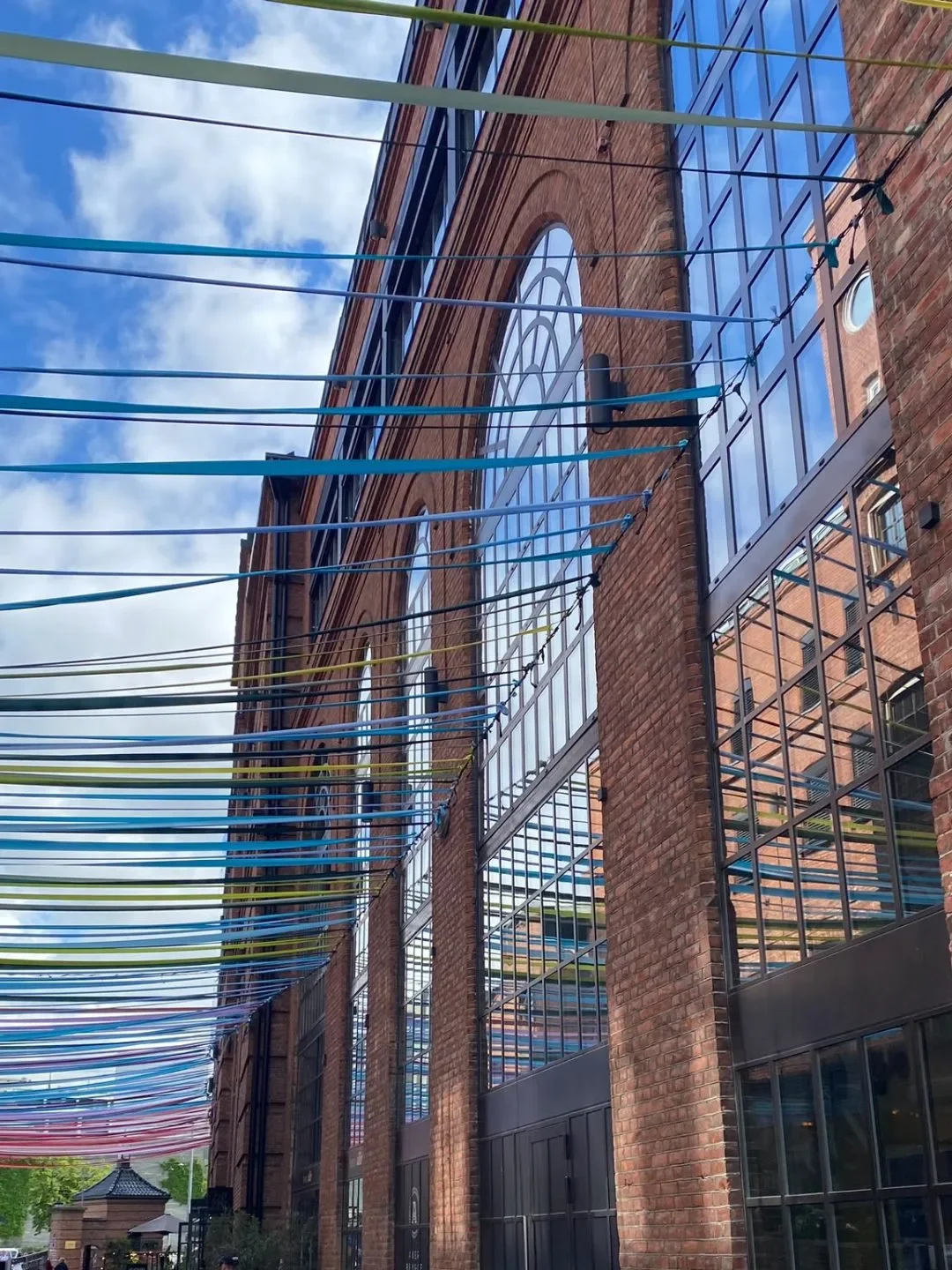
Friday morning kicked off with a much-anticipated practice visit to Snøhetta’s workshop, located in an old warehouse by Oslo’s historic harbour. Daniel Berlin and Emanuel Verde from Snøhetta took the group through the workshop and down into the model archive, followed by a presentation on the practice’s key projects, both completed and in progress. Daniel shared insights to the practice’s approach of ‘curiosity and generosity’ towards projects all over the world and touched on his experience so far working on the Belfast Stories project.
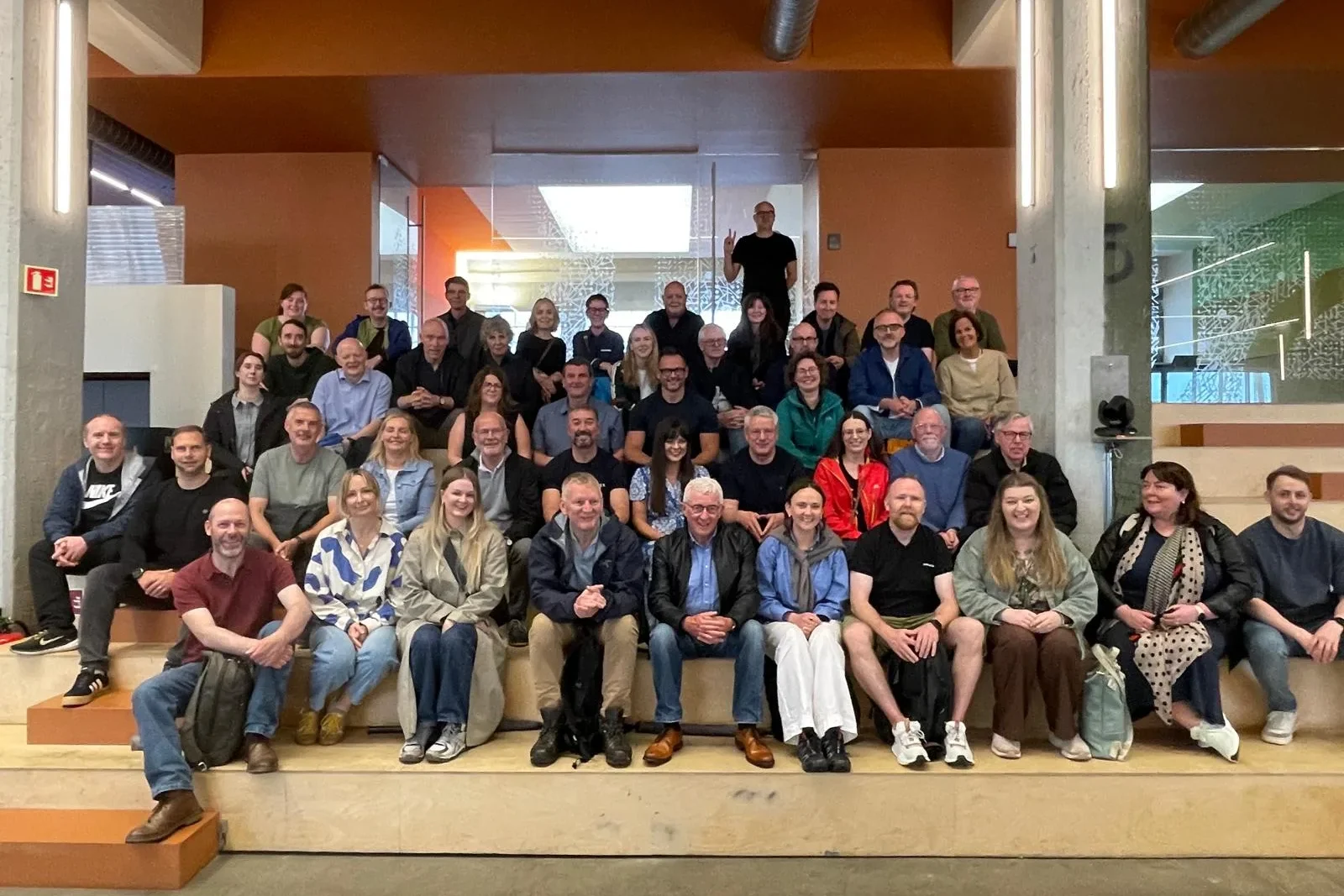
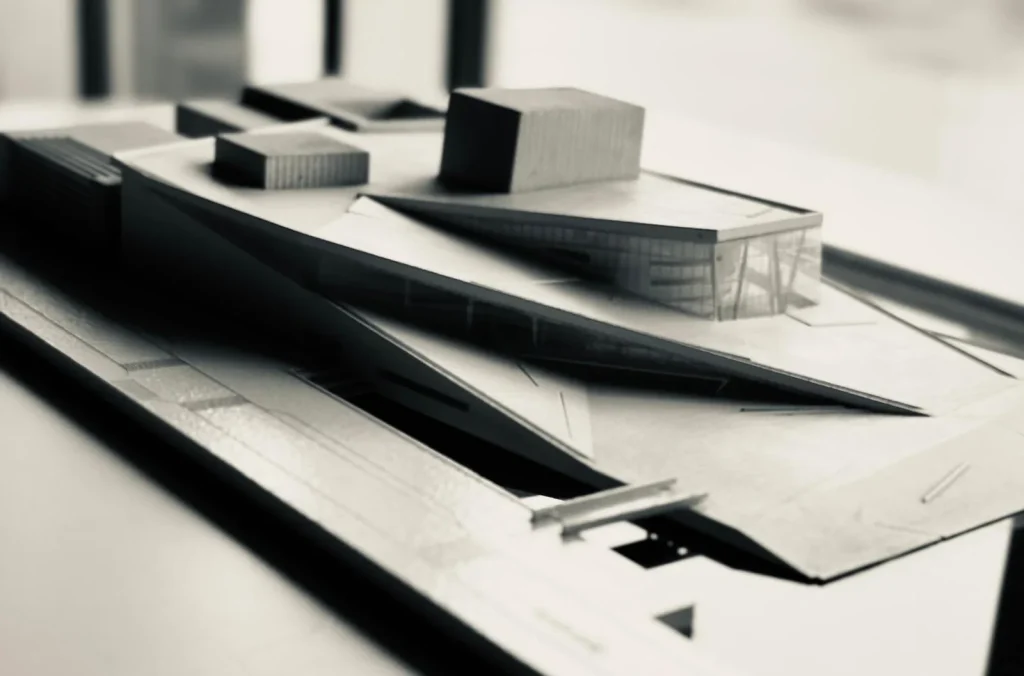
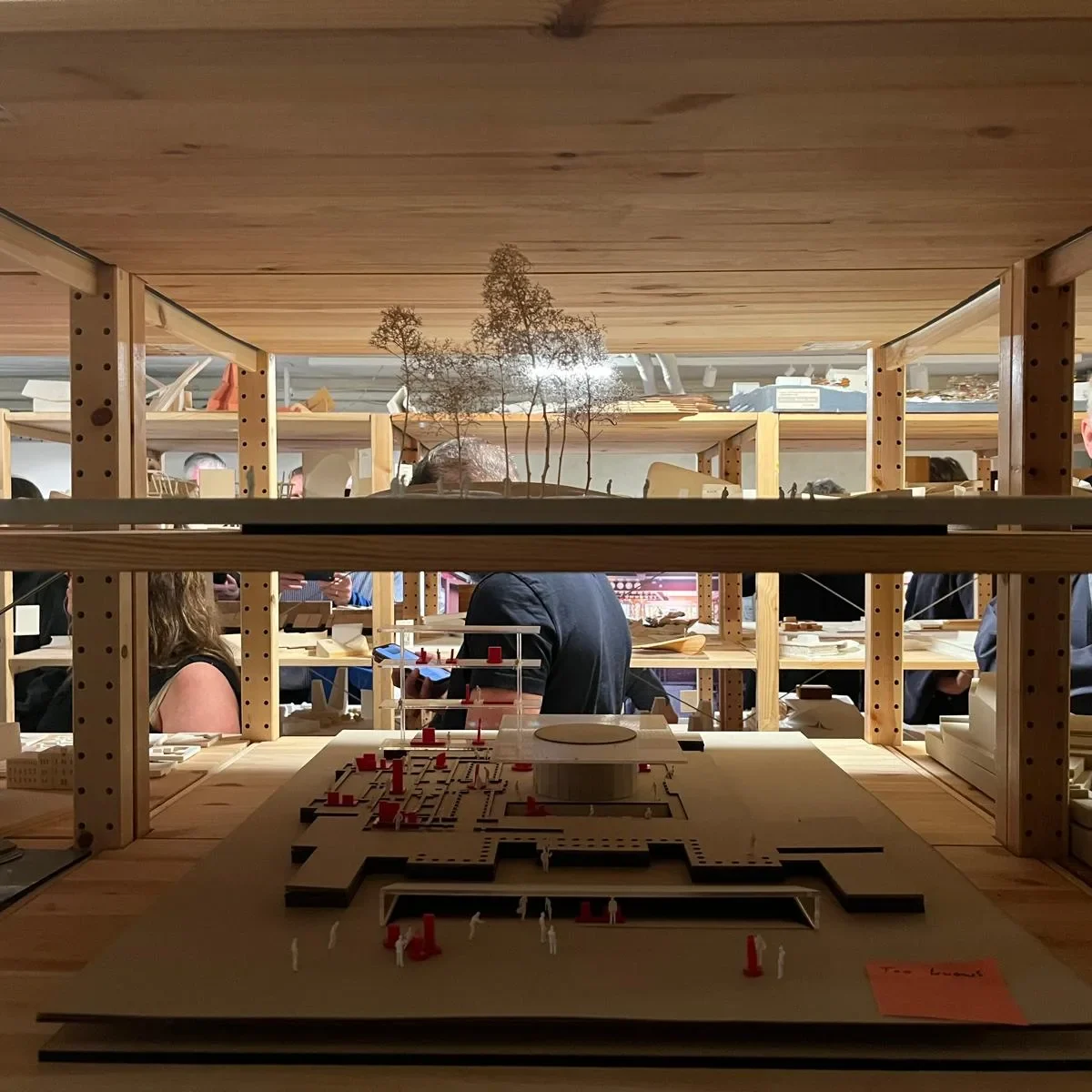
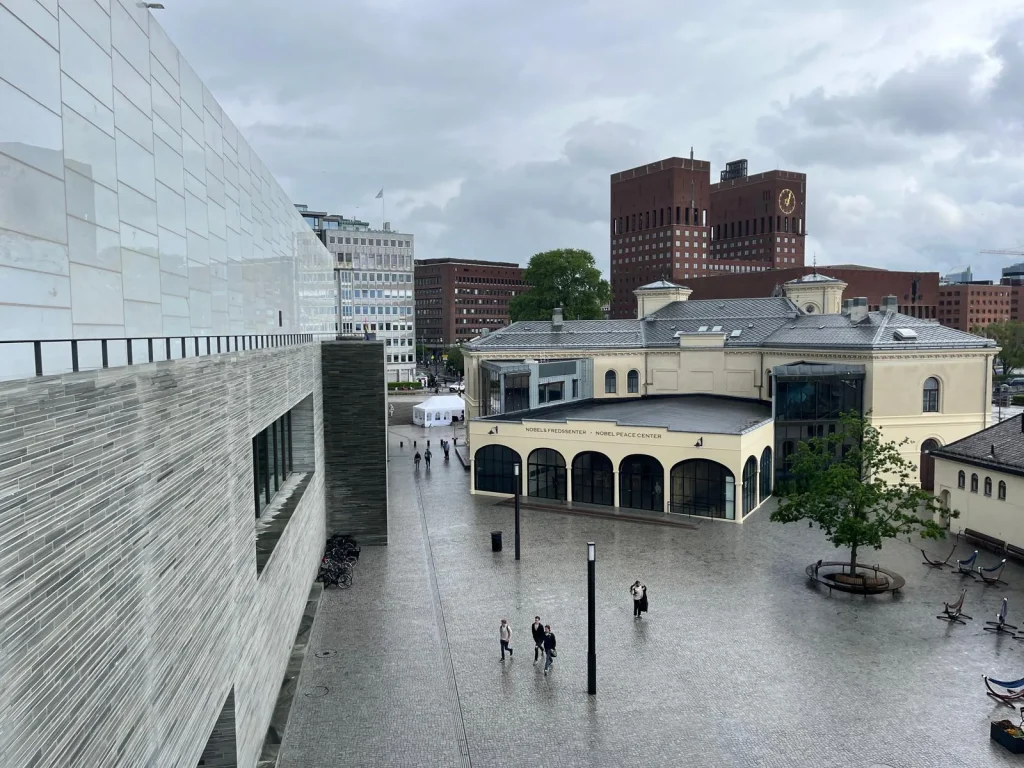
Some free time followed the practice visit and, despite the elements, members of the group set off along the waterfront towards Oslo’s colossal, red-brick City Hall, designed by Arnstein Arneberg and Magnus Poulsson. Free time was spent in the National Museum for some, in nearby lunch spots and in the cobbled streets to the North of Oslo’s city centre for others.
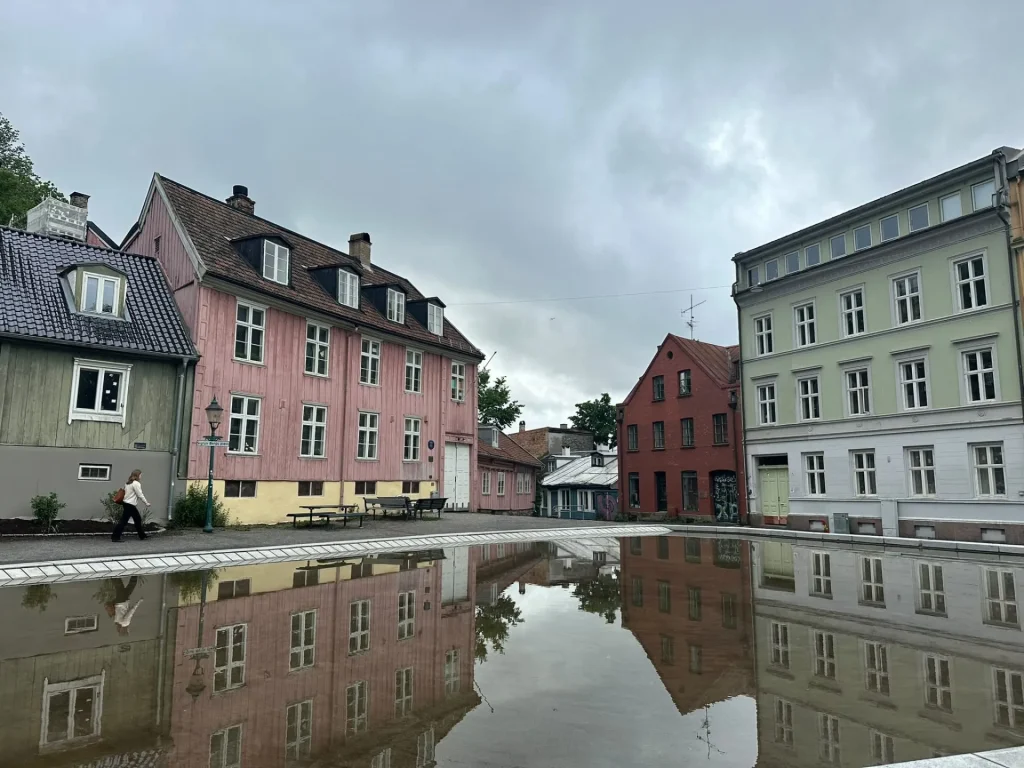
The afternoon included a practice visit to the Nordic Office of Architecture, whose offices are in the former centre for Norway’s telecommunications, Telegrafen, transformed into work spaces by KIMA Arkitektur. Jonathan Alexander and Knut Hovland talked the group through two of the practice’s major regeneration projects, Oslo’s new Government Quarter and the Sannergata 2 building. Following the presentation, the group hopped on a tram for an interior and exterior tour of Sannergata 2, the reimagining of a closed, outdated office block in Oslo’s Sagene district as an open and sustainable workplace.
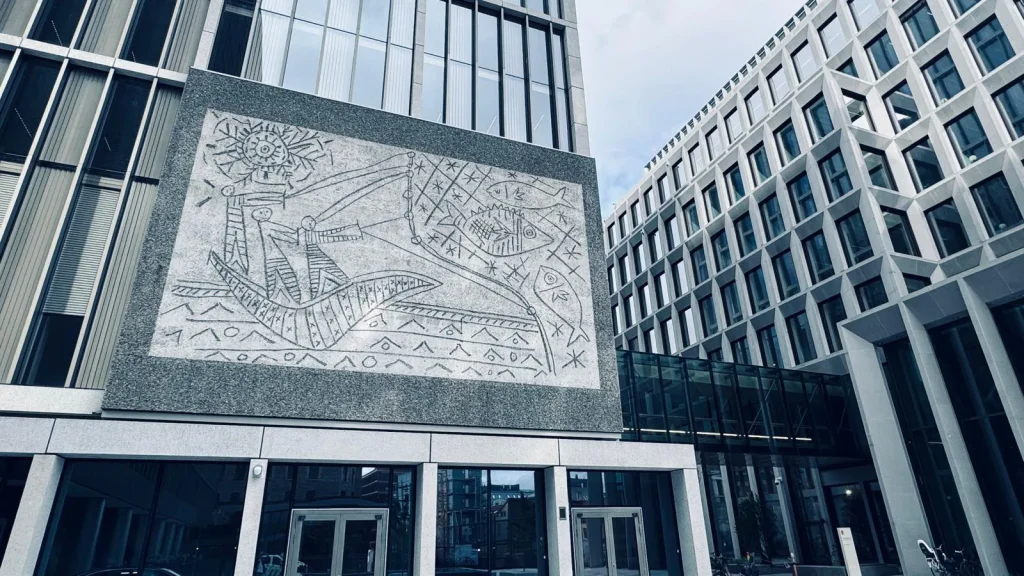
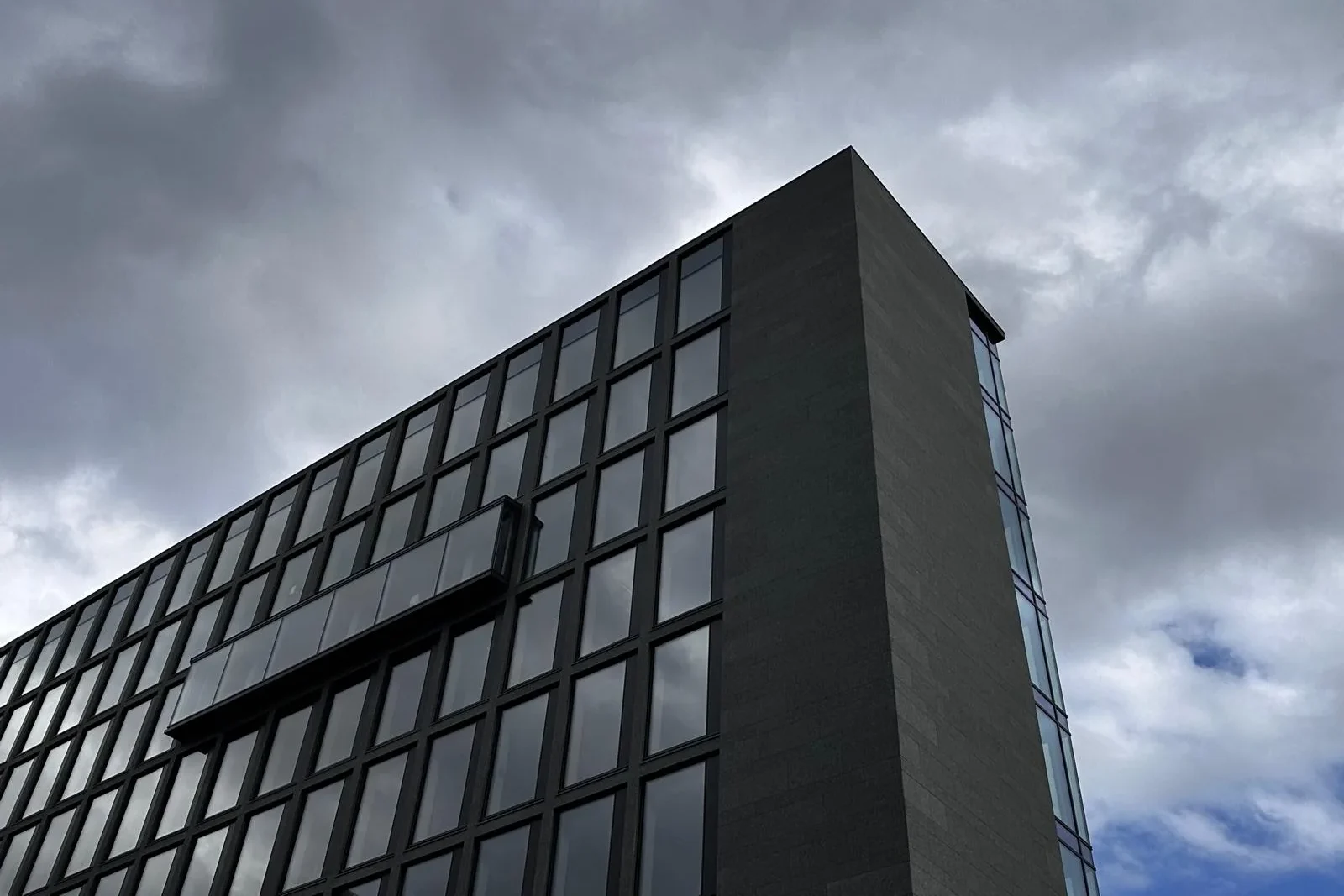
Jonathan then led a tour through the streets of the trendy Grunerlokka area towards the new Government Quarter, for an external tour of the completed buildings in the project’s first phase and the rehabilitated 1958 Høyblokken, all connected by a shared outdoor space.
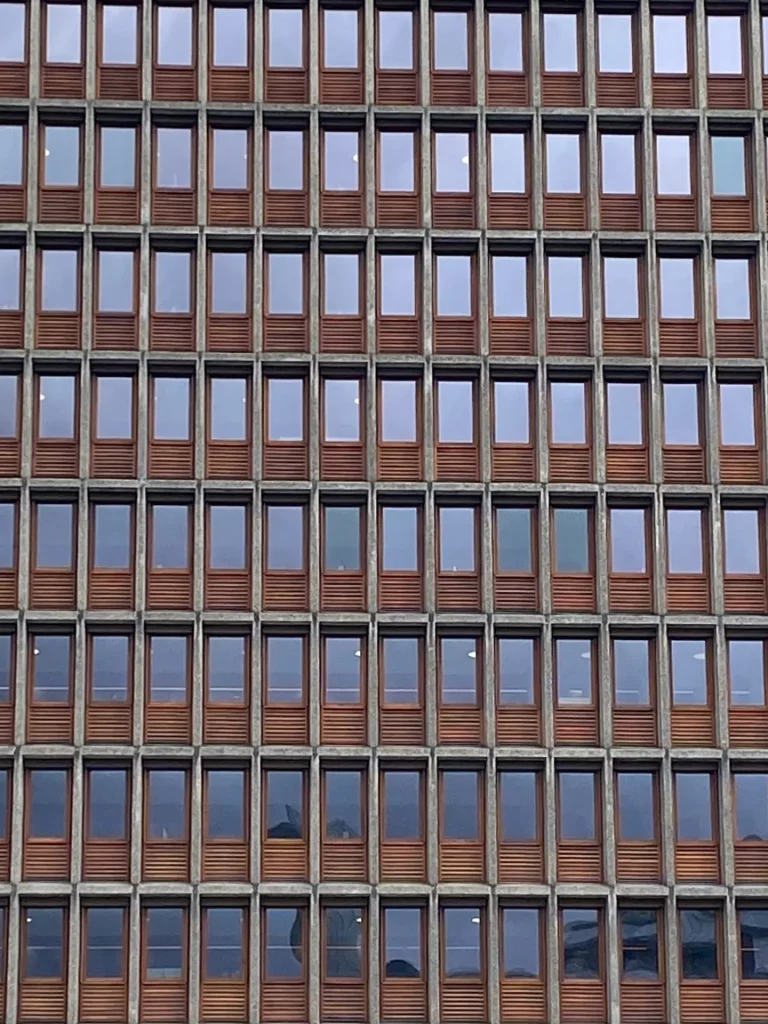
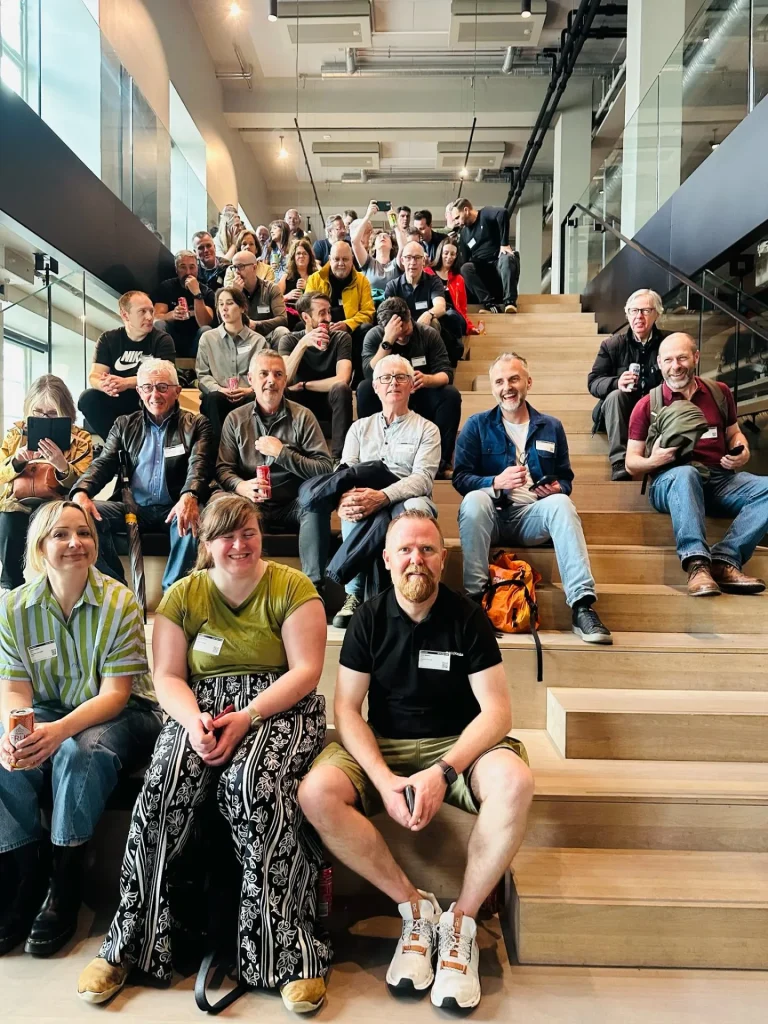
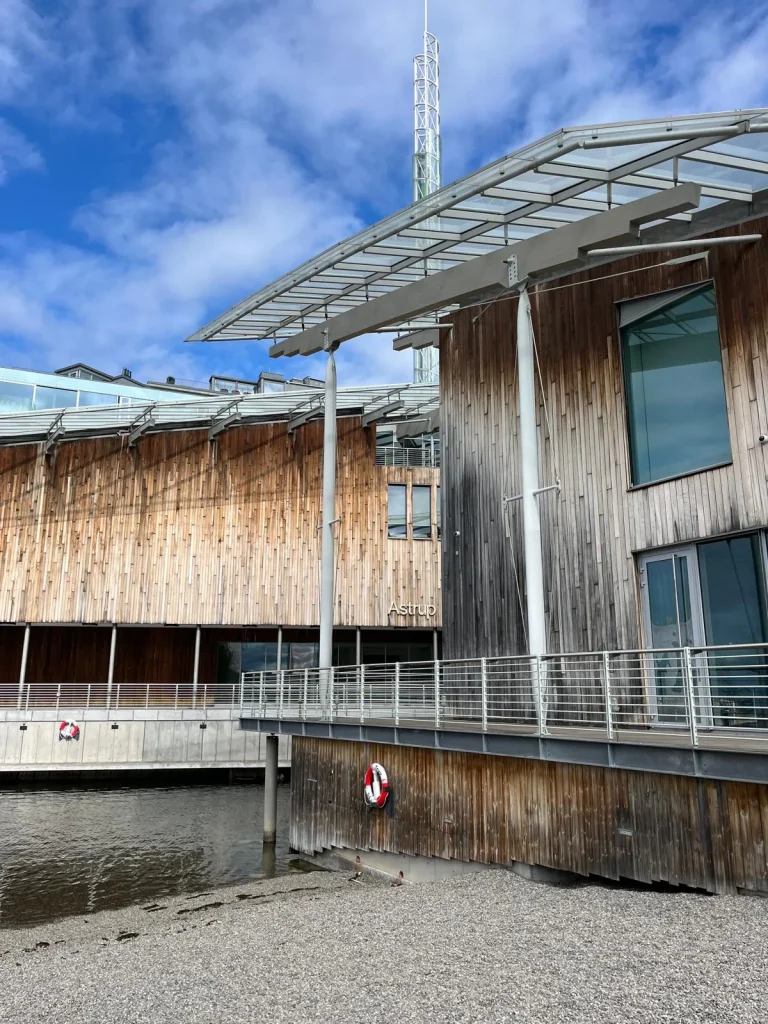
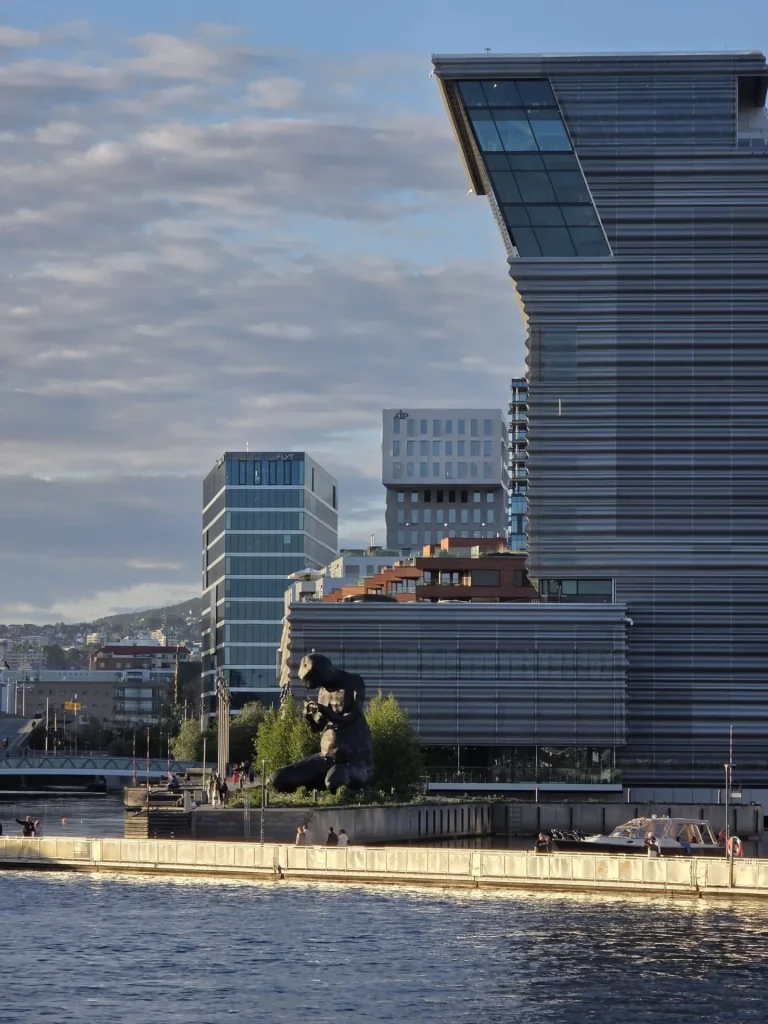
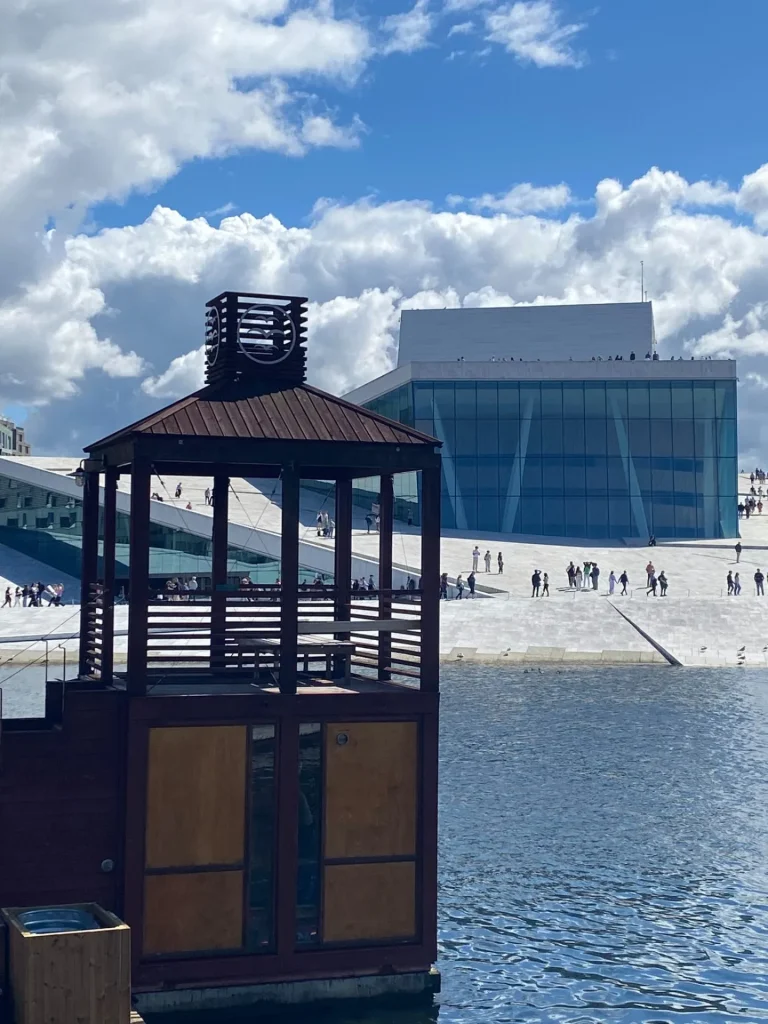
Saturday started with a waterfront promenade with White Arkitekter’s Jenny Mäki. Jenny took the group on a journey from Oslo Treet, through the recently developed Tjuvholmen district with buildings by some 20 different architects, including the Astrup Fearnley Museum by Renzo Piano. The tour finished up overlooking the Opera House, alongside the collection of waterfront saunas.
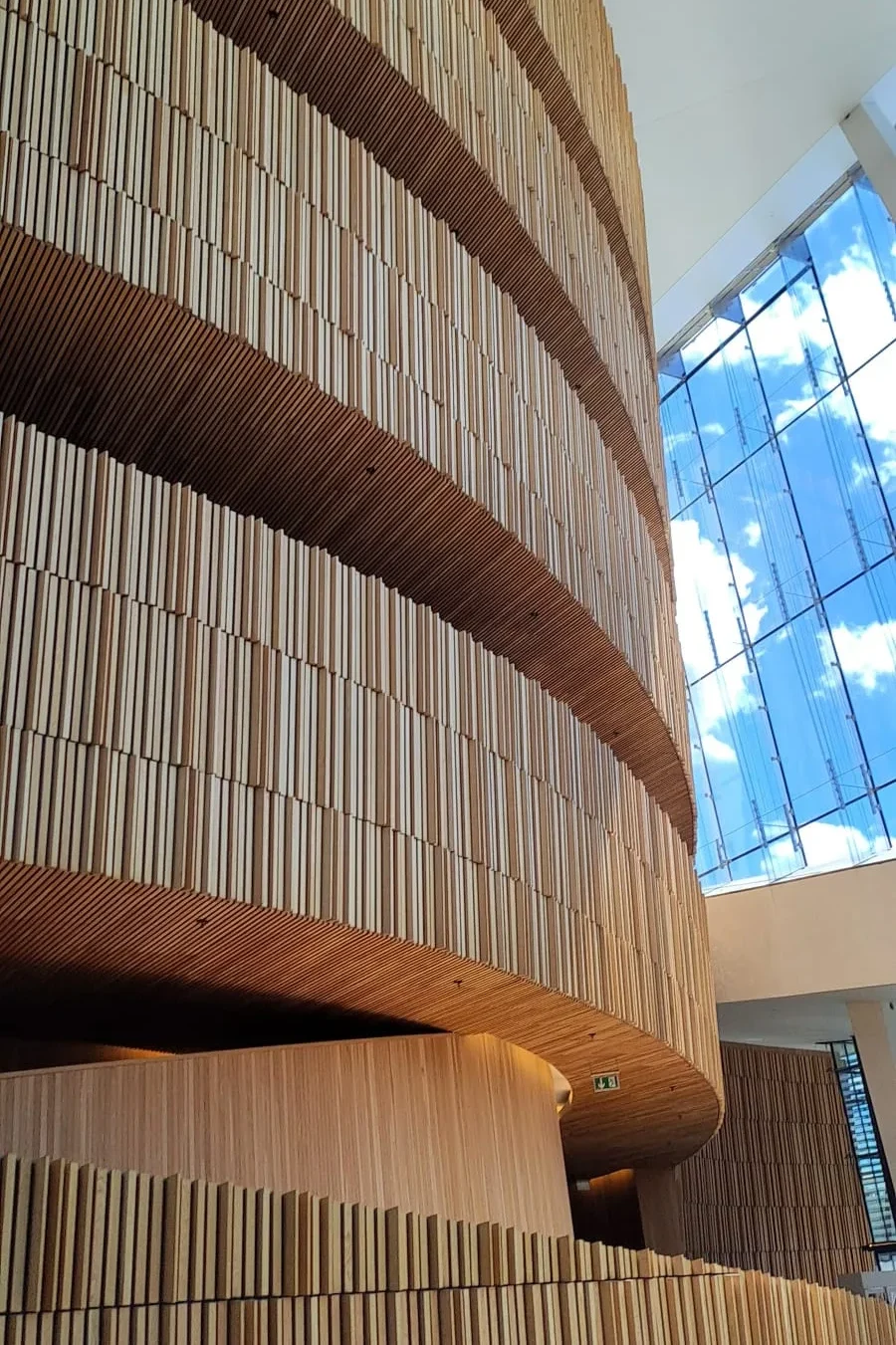
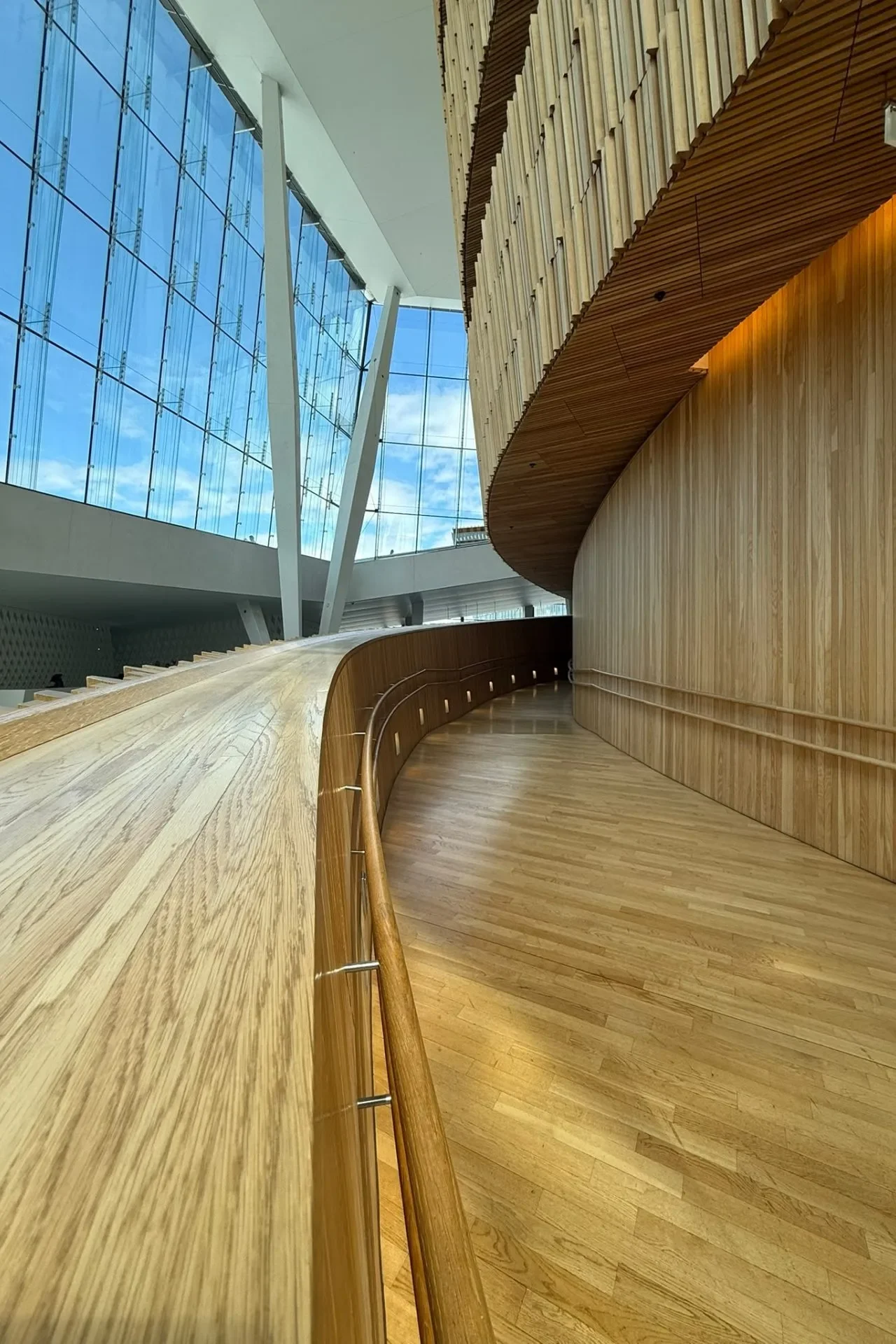
In the afternoon, the group had an opportunity to tour the Opera House’s auditorium and workshop spaces, while others made the most of the afternoon sun and enjoyed a sauna experience and a dip in the fjord.
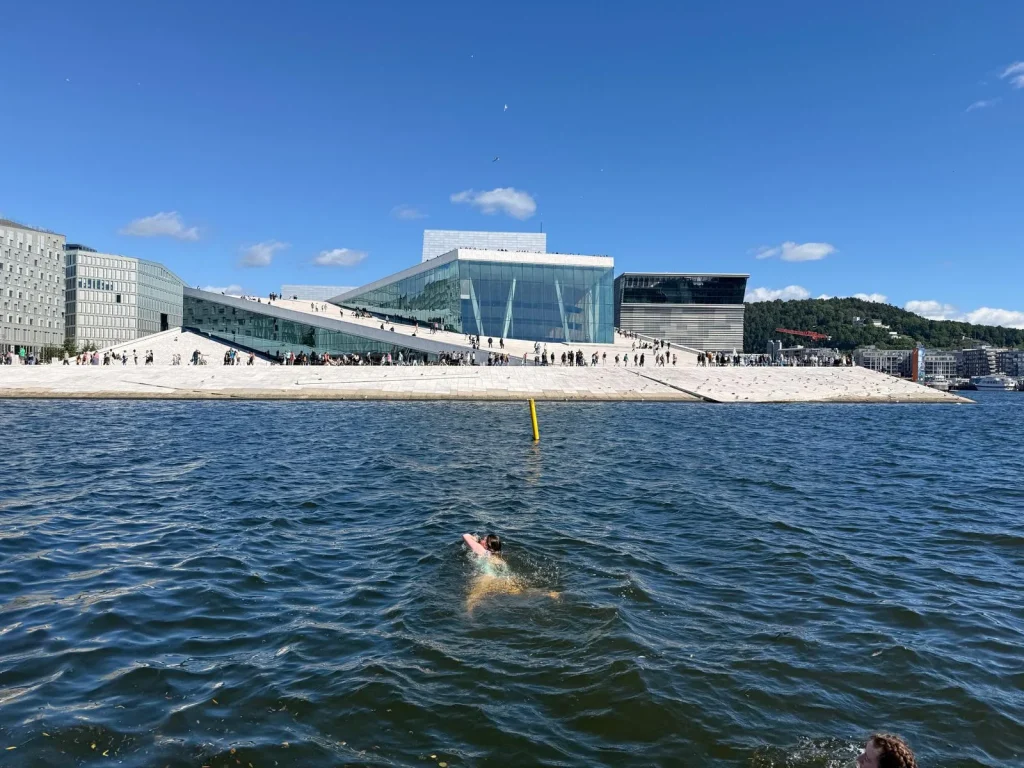
On the final evening of the trip, the group gathered for another sponsored drinks reception and dinner, courtesy of the trip’s sponsors Tarkett and JP Corry, in a private dining area in Castello Restaurant, taking in the views of the waterfront as the sun set over the Opera House.
With thanks again to our sponsors:


