
No products in the basket.
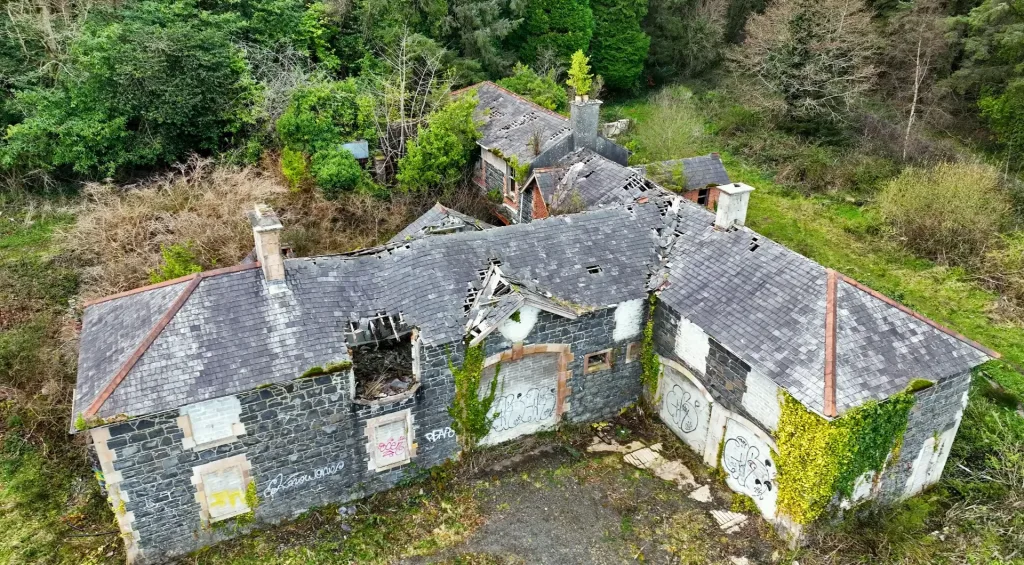
The Dilapidation Bill recently secured final approval in the Northern Ireland Assembly in September and this month is expected to become law.
The new Dilapidation Act will enable local councils to issue a range of enforcement notices requiring owners, occupiers and other relevant persons to take remedial action where buildings are dilapidated, dangerous or otherwise neglected.
If necessary, councils will also be able to undertake the works themselves and recover the costs from those responsible for the building.
The need to act
RSUA sees that the passage of the Dilapidation Bill into law is a rare bright spot in the long battle to revitalise existing buildings in our cities, towns and villages.
According to statistics issued by the Department for Communities (DfC), updated to April 2026, over one-fifth (22%) of buildings were vacant across Northern Ireland’s 42 town centres. The situation in Belfast is especially stark, with 31% of its town-centre properties vacant, meaning almost one in three was unoccupied.
Buildings that are not in use are far more likely to fall into disrepair, to the detriment of local residents, the visual appeal of communities and our collective heritage.
In May 2025, DfC also reported that the condition of Northern Ireland’s listed buildings has deteriorated significantly over the last twenty years, with the proportion rated “Very good/Good” or “Average” falling from 86% in 2002–05 to 61% in 2023–24.
Coordinating government efforts
RSUA believes the new legislation should form part of a wider package of regeneration measures that includes existing government strategies, funding and policies, including the Department of Finance’s ongoing review of rating for vacant commercial properties.
We suggest that the best way to coordinate these levers would be through the introduction of City and Council Architects in Northern Ireland.
Acting as highly influential experts, these architects would operate at a senior level within councils and work closely with government departments to help drive positive, transformative change.
More information
If you have any questions or comments about this update, please contact Curtis Large, RSUA Policy and Public Affairs Officer, at curtis@rsua.org.uk
